The Teacher
Judy is very familiar with being introduced to new acquaintances as The Diplomat’s Wife. It’s easy to understand why. On face value, it’s a glamorous etching on her resume; full of globetrotting adventures as our great nation’s representative overseas. Oh, the stories. From attending events with world leaders and witnessing natural disasters or civil unrest unfold, to hosting VIPs and local heroes at intimate soirées.
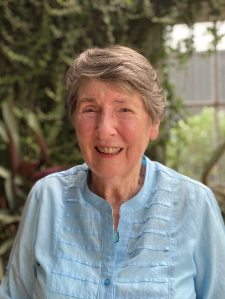
In fact, the only thing I knew about Judy before we met was exactly that. I fully expected our conversation to be loaded with charismatic tales of martini-swilling gatherings with James Bond quietly playing high stakes poker in the corner. But just like the razor-sharp turns his signature Aston Martins take outrunning an almost certain demise, our conversation jumped straight into the unexpected.
“I believe in childcare and a woman’s right to work. I also believe it should be free for everyone.”
That’s one of the first things she said when we sat down together on a steaming summer’s day in Central NSW, Australia.
“People who are bored with children shouldn’t be at home with them,” she continued unapologetically.
As a retired preschool teacher and childcare centre manager, it’s a truth Judy feels strongly about. Not judgementally. Quite the opposite.
Instead, she passionately believes that any mother who feels they have a bigger contribution to make to the world, beyond raising a family, should feel supported and inspired to do it. Including, not having to balance the scales between going to work and the cost of making sure their kids are safe and well looked after.
Judy speaks directly to women because, while she acknowledges familial responsibilities are managed slightly more evenly today, in her experience it’s almost always mums who make the professional sacrifice to support their family.
“I remember working in occasional care in Canberra many years ago, and this incredibly bright woman who, prior to having children, was doing very important work in international diplomacy, started using our centre regularly,” she said.
“Her children were very young at the time and it didn’t go unnoticed by some of the other educators at the centre. There were many raised eyebrows.”
Witnessing the judgement young mothers had to contend with early in her career clearly informed Judy’s long-held view that parents of young children don’t need anyone else’s opinion on how they’re raising their children. They just need support they can trust.
The Nurturer
Another important awakening that influenced Judy’s approach to caring for children happened during her first placement in Melbourne’s Fitzroy in the Sixties. She describes it as a rough neighbourhood back then.
In those days, educators used to visit a student’s family in their homes to provide an update on how the kids they were looking after were doing in school.
“I visited parents who could barely look after themselves, let alone a young child,” she said matter-of-factly.
She goes on to describe the conditions some of these families lived in as bordering on inhumane and remembers feeling shocked and disappointed that a country as wealthy as Australia – the self-anointed ‘lucky country’ – allowed people to flounder in such deprivation, with little hope of rising out of it.
Rather than be defeated by the circumstances she witnessed on those home visits, Judy’s innately nurturing nature shone through, and instead, she came away inspired by the families she met; determined to be the support they needed to help their children climb out of the mud they were stuck in.
“The best thing you can give a child is confidence in their own value,” she affirms.
That was Judy’s response when I asked what her philosophy on childcare was. I can’t speak for Judy, but for me, this was the most poignant moment of our conversation; every hair on my body stood on end.
When I posed the question to her, I worried I’d struck a hidden tripwire as we stared at each other quietly and our conversation stalled for the first time in over an hour.
“No one’s ever asked me that question,” she offered gently, as a powerful reminder to always be curious about other people’s experiences; to listen so we can learn.
“When someone is confident enough to communicate their views, it reduces the burden of frustration on them,” she continues.
“Making sure they were constantly engaged and pushed encourages them to open their minds to possibilities they may not be aware of, or feel they deserve.”
The Ambassador
Judy welcomes you into her orbit with the kind of grace and humility of someone who intuitively understands the value of making people feel at ease. Whether that’s a skill she’s honed from years spent navigating the pleasantries and customs of foreign cultures or patiently wading around knee-deep in the giggles, triumphs and frustrations of little people, it’s hard to know. I suspect both.
While I have no doubt she was masterful in her role as a diplomat’s wife, my keen sense is also that, to think of her as only that, does her powerfully independent mind a disservice; it’s a mistake to think that’s all she is. A mistake we continue to make today – assuming women are the attaché, not the ambassador, of their life. That they’re in service of more senior ranking officials.
The beautiful irony of Judy is that she is The Ambassador. A keen advocate for families and, in particular, mums. A nurturer of children and protector of independence for parents that love their families but still wish to be conquerors in other realms as well.
Note: The Venerables are identified by a combination of real names and pseudonyms. Not to be republished without permission.
 The Venerables
Lovely Pip 🙂
LikeLiked by 1 person
Loved reading about this fascinating ambassador Judy, I have subscribed for your next piece 🙂
LikeLiked by 1 person
I’m so glad you liked it and thanks for subscribing x
LikeLike
Love your article and your writing style, fabulous interview.
LikeLiked by 1 person
Thanks Jas. Judy was great company, so the rest was easy.
LikeLike
How empowering!
Well done Pip!
LikeLiked by 1 person
Thanks honey, I’m glad you liked it.
LikeLike
Love it Pip & so well written.
What a fascinating lady. A case of more than meets the eye like so many wonderful women out there
LikeLiked by 1 person
So pleased to read this great article on Judy the teacher. Very well written
LikeLike